In any form of motorsport flags are used as a form of communication or signals to the drivers or teams to inform them of changes that have occurred in the race. The main purpose of the flags is to ensure the safety of each driver and to make the session as safe as possible. With there being so many coloured flags- some more common than others- it can be confusing as to what they each indicate. So, what does each coloured flag mean?
In Formula One, and many other aspects of motorsport, there are 10 recognised flag patterns and colours. These flags are not only waved physically but also appear on digital screens at the side of the track. This is to ensure that all drivers and team members are aware of the current state of the race.
To begin with, the chequered flag is used to tell the drivers that the session has ended. When a driver sees the chequered flag, they are allowed to complete the lap that they are on but should not start a new lap. This idea is commonly used at the end of qualifying. Often, the drivers will start their final out lap with a minute or so remaining by the session. Once they start their fast lap, and the chequered flag is waved, that lap time is counted. Drivers frequently do this so other drivers cannot put in another lap that would possibly threaten their time, and therefore will be more likely to qualify higher. The infamous chequered flag simply symbolises to the drivers that the session has finished, and that they should return to the pits. This flag is seen at the end of every session.
Secondly, we have the Yellow Flag. Yellow flags are used to tell drivers that there is a caution or danger on the track that they need to be aware of. Depending on the number of flags waved, it can indicate what the danger may be. A single waved yellow flag means drivers are no longer allowed to overtake someone and should also slow down. Single yellow flags may be brought out due to: debris on the track, a car has left the track and is re-joining, a car has crashed into the barrier/ is out of the race or a Marshall is on track. However double waved yellow flags tend to be for more serious events in a particular sector. Therefore, slowing down and remaining in position is only demanded in the relevant sector. Double yellows require drivers to slow down but also be prepared to stop. They are also not allowed to overtake under these conditions. Moreover, double waved yellow flags indicate the rules of the flag are to be obeyed throughout the whole track. Commonly, they are later accompanied by the safety car or a virtual safety car. A double yellow flag may be waved when a large accident has happened or there is something blocking the road.

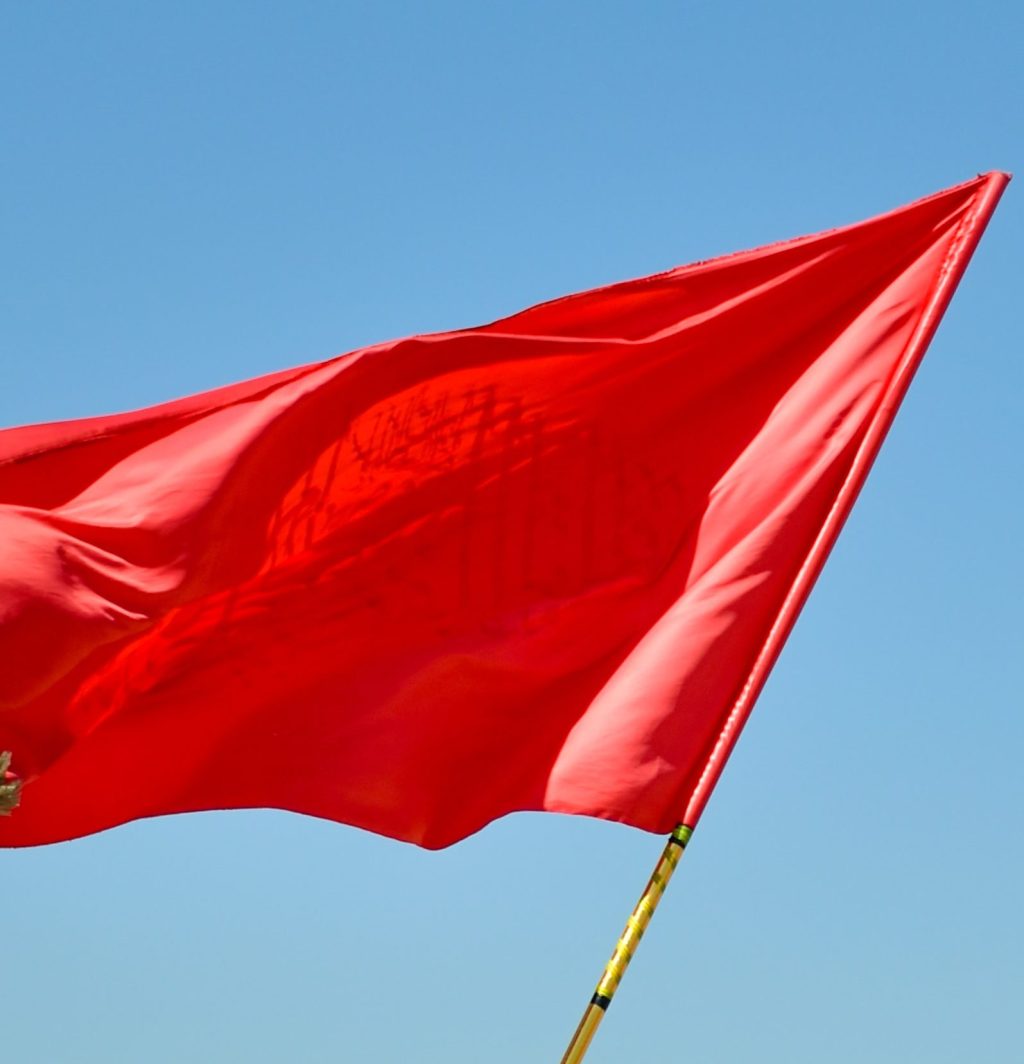
Sometimes, after a yellow flag, the red flag may also be waved. The red flag is used to stop the session due to a danger facing the drivers. When the race is red flagged, the drivers must return to the pit lane and wait for further instructions. They are often used due to a crash or incident on the track, to repair barriers or as a result of bad weather conditions. The red flag also neutralises the race, similarly to the yellow flag, while the drivers are making their way around the track toward the pits- no overtaking and significantly reduced speed. During a practice session if the red flag is waved, the time left in the session continues to count down. However, in a race or qualifying session the time is stopped completely, and only resumed under green flag conditions. In some cases, for example in Monaco in 2021, when a red flag was pulled with only 2 minutes left, the session ended early and was not resumed. This occurs when Race Control deem it unsuitable to restart the race. After a Red Flag, drivers can either resume the race through a standing start; they all line up on the grid in formation, or as a rolling starts; they continue to drive under specific rules until the green flag is waved.
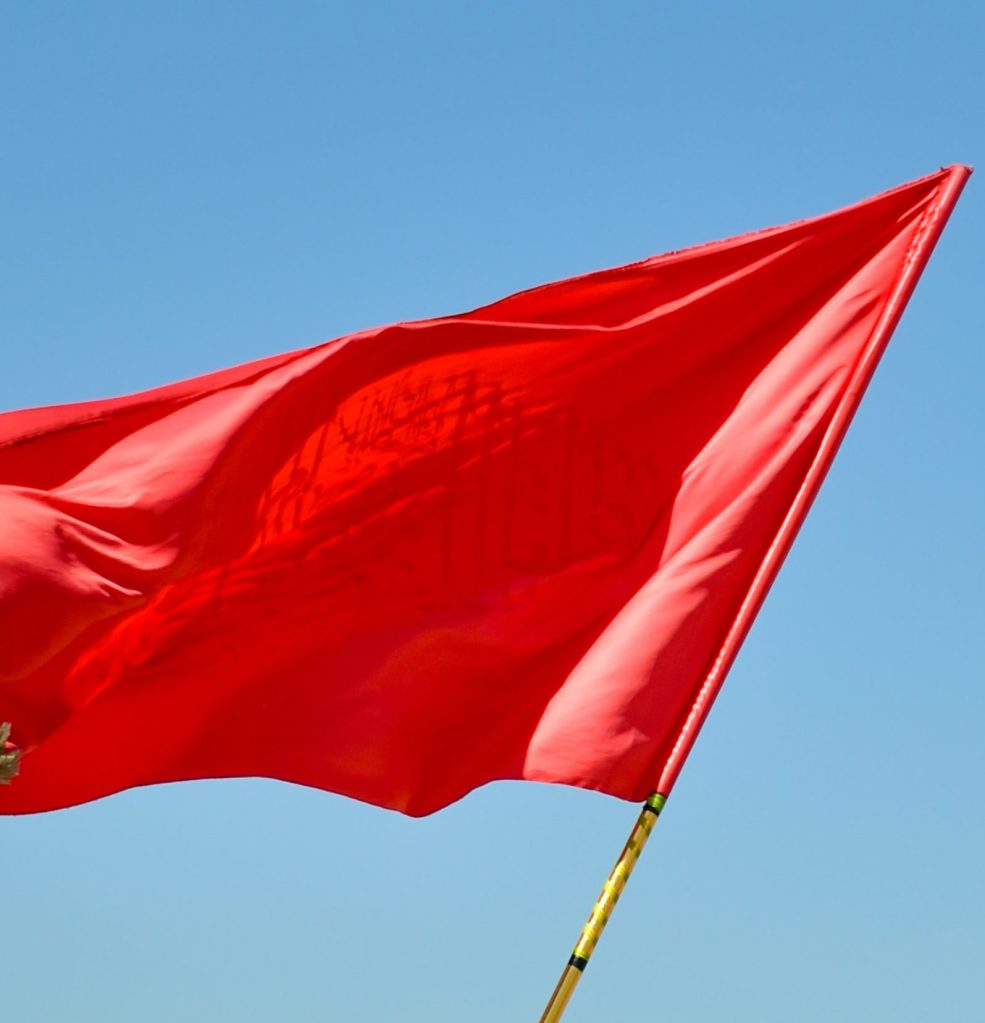
When a green flag is waved, it is used to show that the regular race conditions apply or resume. It is waved after a yellow flag to indicate that the track has been cleared. In addition, the green flag is always waved at the start of every race behind the safety car to allow the lights to be turned on. Moreover, it indicates that normal race rules such as speed and overtaking, are allowed.
A yellow and red striped flag is used to warn drivers that the track is slippery. This could be because of water or oil. Sometimes, this flag is used to also indicate there is an animal on track, for example during the 2012 Canadian Grand Prix when an animal ran across the track, a yellow and red flag would have been suitable. It further informs drivers and teams of the conditions on track and allows them to drive at a suitable speed to match these conditions.
Blue flags are very common to see throughout a formula one weekend. They’re seen a lot throughout the race and throughout qualifying sessions. Blue flags are used to inform drivers that there is a faster car approaching. This is often shown to lapped cars to tell them to move out of the way so that the faster car may pass- failure to do so may result in a penalty. Throughout qualifying and practice sessions it is shown similarly to cars on a cool down lap, to allow them to move before a car on a fast lap reaches them, to prevent them impeding the faster car. As well as the blue flags being waved, lights at the side of the track appear with the driver’s number so they know who the blue flags are for, if in a large group. Additionally, this flag is shown as a driver is coming out of the pitlane and a faster driver is approaching, to warn them of the oncoming car and allow them to be out of the way, and safe when they rejoin the track.
Correspondingly, the white flag is used to inform drivers that they are approaching a slow-moving vehicle. They are always waved at the end of the race after they pass the chequered flag, as drivers on cool down laps are not going maximum speed, and therefore no drivers are in any danger. White flags are also used when medical cars and recovery vehicles are on the track, to inform the drivers to expect something slower than they are. This prevents dangerous collisions or being surprised when they come across a slower vehicle ahead of them.
The black flag with an orange circle or disc, is something that isn’t very often seen now in Formula One. It is waved by the marshals to demand a driver to go to back to the pits as their car is damaged, or they have a mechanical issue that they need to fix or retire the car. They further wave the drivers number alongside, to ensure this is clear to the driver. Most commonly, this flag is seen when a part of the car is loose and moving about, which can create a dangerous situation, should it fall off.
Pierre Gasly received a black and white diagonal flag during the Belgian Grand Prix, for moving under braking while battling Kevin Magnussen. This flag is used to tell a driver that they are driving in an unsportsmanlike manner and should change their attitudes. Sometimes, this accident may further be investigated and lead to further consequences, depending on the situation. It is a flag that is quite rare to see nowadays. The black and white diagonal flag is an equivalent to a yellow card given to a player in football. Though no immediate penalty or consequence is given, it warns the driver that should they continue acting in an unsportsmanlike manner, further consequences will be issued. It’s aim is to prevent the racers from driving in a dangerous way and putting their own, and other people’s, lives at risk.
Finally, is the flag that no driver wants to see. The black flag. This flag means that a driver has been disqualified from a race and must return to the pits immediately. One famous example of this is Micheal Schumacher during the 1994 British Grand Prix. The 7x World Champion received a stop-go penalty on lap 14 for an incident involving Damon Hill. Schumacher had to serve this penalty by lap 21, which he failed to do so. During the race he was shown a black flag, as well as his racing number. He was told to return to the pits, but he refused. He went to finish the race in 2nd place and was later disqualified from the race again. Usually, this flag is flown when drivers break the rules, or refuse to obey the regulations during a race, or they are in an unsafe position to be racing. The dreaded black flag is without a doubt the harshest punishment of them all- one that nobody wants to see flown.
The flags used in Formula One and motorsports are used to ensure the safety of the drivers, and the fairness of the races. Every flag has a specific meaning and time when it is used. The simple colours and patterns are used to easily identify the every-changing conditions on track, and to maintain the safeness of the drivers, fans, marshals, team members and everybody in and around the F1 track.


 Formula Focus
Leave a comment