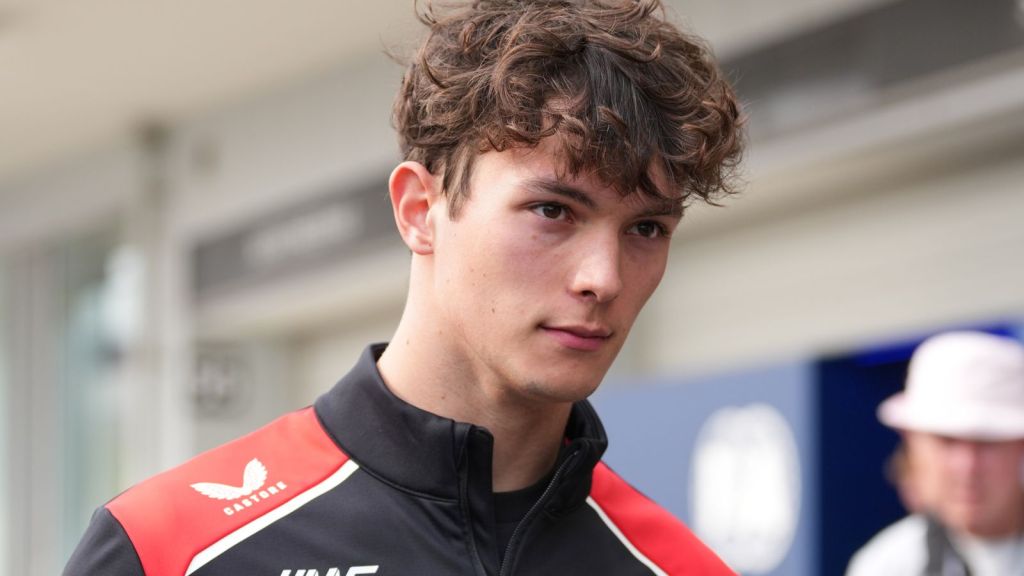
Haas’ Oliver Bearman suffered a high-speed crash, which has raised concerns for drivers and fans on the safety of the new regulations.
(Photo from SkySports.com)
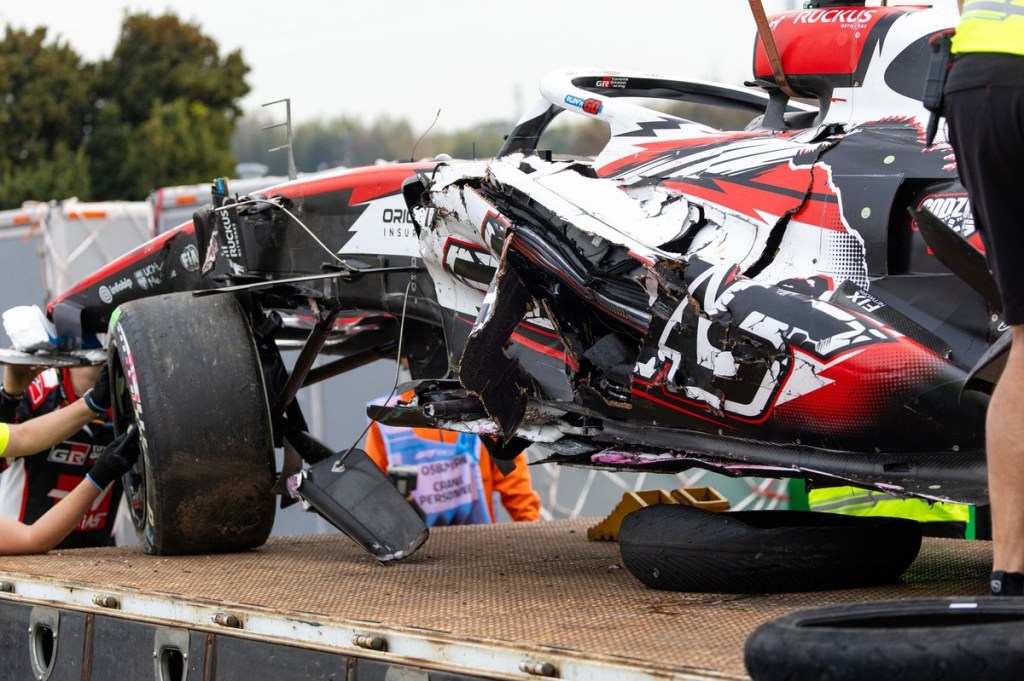
The 20-year old hit the barriers at Spoon corner at 308km/h (191mph), and limped away from his car. It has been reported that Bearman has suffered a contusion to his right knee, but has not sustained any major injuries.
Since the new regulations came into place at the start of the 2026 F1 season, drivers have became increasingly concerned on the safety of the speed differences between the cars.
The battery boost, which drivers can deploy throughout a lap, can create a high difference in speed between cars. Though this proves great for overtakes and strategy, it also poses as a danger to faster drivers.
Bearman’s crash happened on lap 21 of the Japanese Grand Prix, when Alpine’s Franco Colapinto was approximately 30mph slower than the Haas, due to the Argenitian’s battery being recharged.
Due to the speed disparity, Bearman jolted his car to avoid the slower driver, sending him onto the grass at the side of the track, before skidding uncontrollably across the track and into the barrier. The Brit was seen hopping out of the damaged car, and limping over to the track-side Marshalls, where he visibly looked in pain and sat on the floor, soothing his knee.
(Photo from Autosport.com)
Despite being given the all-clear, drivers and fans concerns regarding the large speed difference has been called into question. Several drivers have stated they had expressed their concerns ahead of the race. Yet, they feel they were not listened to.
The FIA agreed to change the deployment levels for Saturday’s qualifying session, however nothing was changed for the race itself.
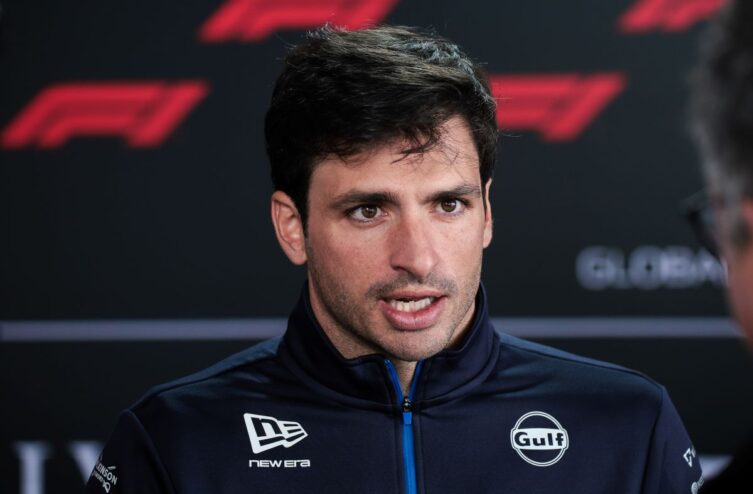
Since Bearman’s incident, drivers such as Max Verstappen and Carlos Sainz have been vocal on their worries.
(Photo from autohebdof1.com)
Oliver Bearman spoke to the press following his release from the Medical Centre, saying that: “I think as a group we warned the FIA what can happen and this has been a really unfortunate result of a massive delta speed we’ve not seen before in F1 until these new regulations,”
The Haas driver added that these concerns were “something that we talked about on Friday with the other drivers and the stewards that we need to be a bit more lenient, a bit more prepared because of these huge deltas in speed.”
Despite the high-impact crash at 50G, Bearman confirmed that he had no fractures, saying that “Everything is fine. Adrenaline wearing off, it’s going to be a long trip home but I’m absolutely fine.”
However, he recalled that it was “a really scary moment that happened out there but everything is okay, which is the main thing.”
Carlos Sainz spoke to the press following the race, sharing his worries for future races that have less run-off areas. “Here, we were lucky that there was an escape road. Now imagine going to Baku, or going to Singapore, or going to Vegas, and having these kinds of closing speeds and crashes next to the walls,”
“It was 50G, I heard, just imagine what kind of crash you could have in Vegas, Baku, etc.”
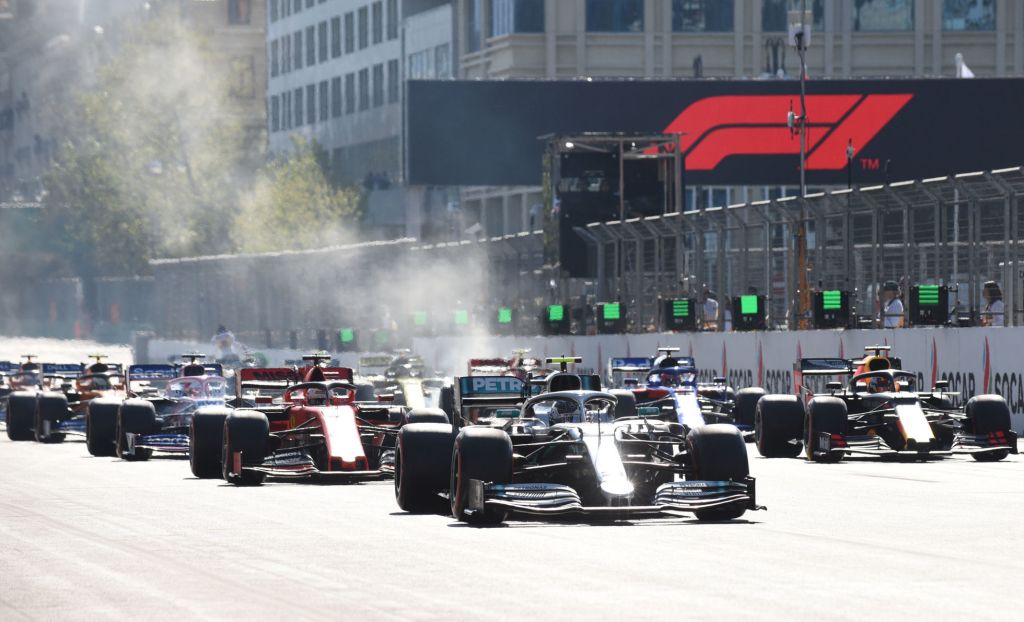
The Spaniard confirmed that drivers had raised their doubts to the FIA, saying that he was “so surprised when they said, ‘No, we will sort out qualifying and leave the racing alone, because it’s exciting.”
4x World Champion,Max Verstappen, contributed to the conversation, he expressed that “It can be 50 or 60 kilometres difference, its really really big.”
Following backlash on the FIA, and the consequences of Bearman’s crash, the governing body released a statement, stating the changes that will be made for the future safety of the sport.
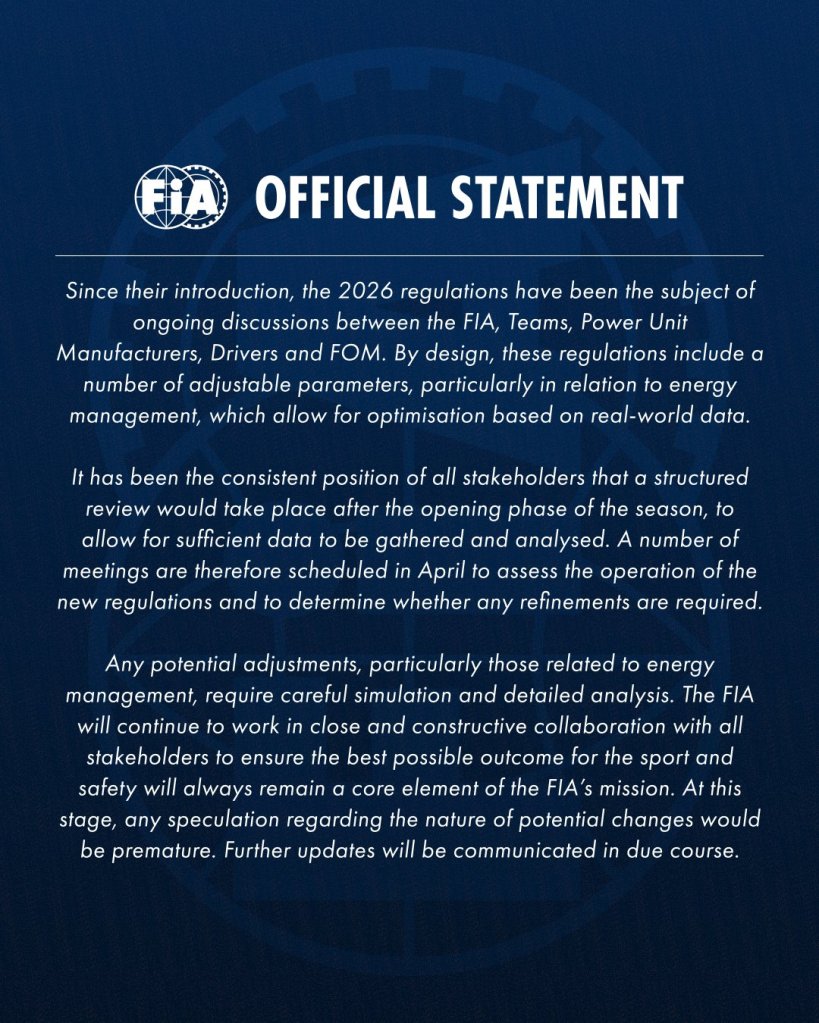
Bearman’s crash created a vital conversation regarding the safety of racing. The FIA need to find a balance between excitment and fast-paced racing, and safe driving for racers.
 Formula Focus
Leave a comment